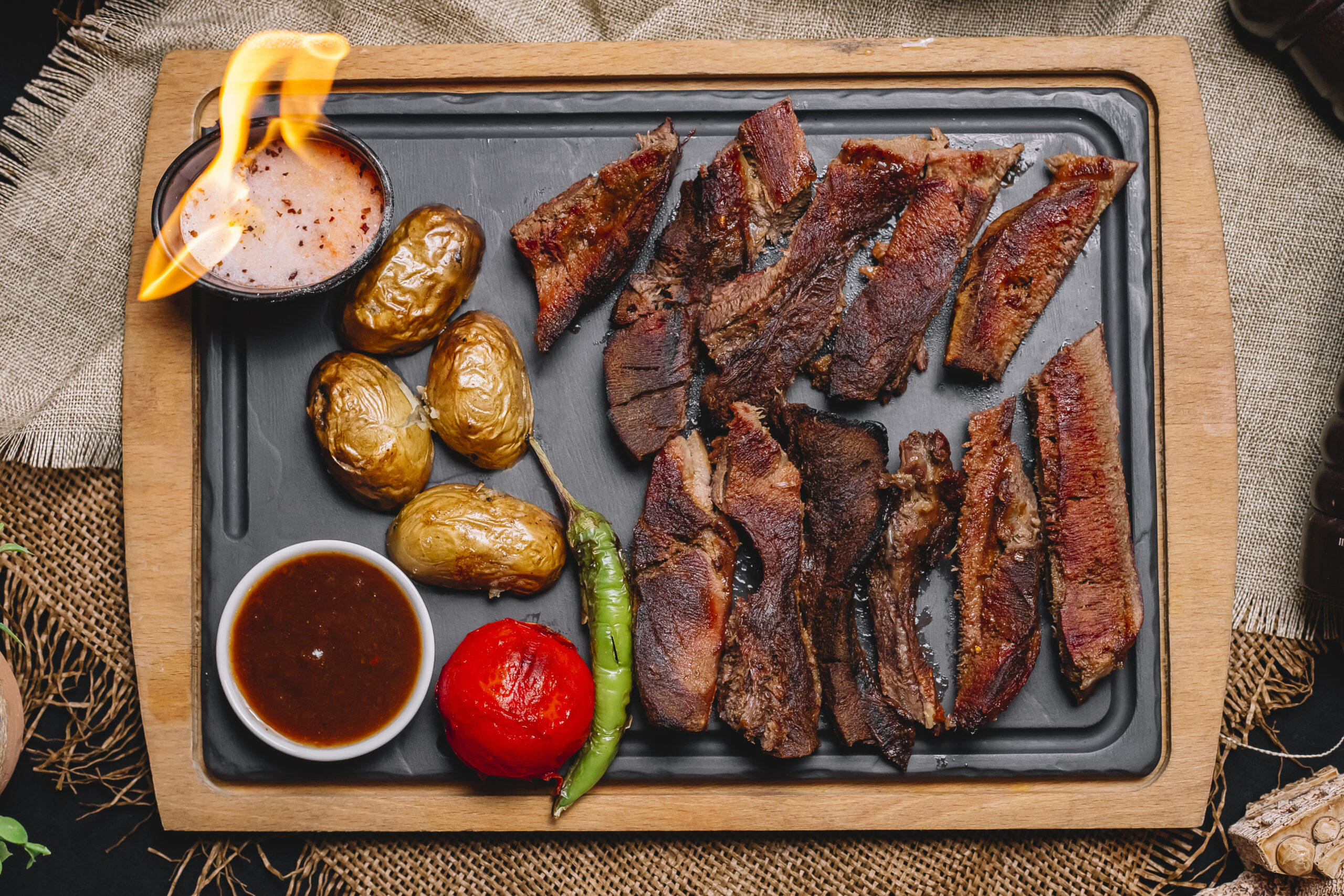
The butcher’s knife paused mid-air as I watched a customer walk away empty-handed, muttering about “never finding tri-tip anywhere.” That was fifteen years ago in my family’s butcher shop, and it perfectly captures the mystique surrounding this California-born cut. Today, I’m pulling back the curtain on everything you need to know about tri-tip—from why your local butcher might be hiding it to cooking secrets that’ll make you look like a pitmaster.
What’s the Best Way to Cook Tri-Tip?
After cooking hundreds of tri-tips for backyard gatherings and catering events, I’ve learned that the best method depends on your equipment and patience level. But let me share the approach that never fails me.
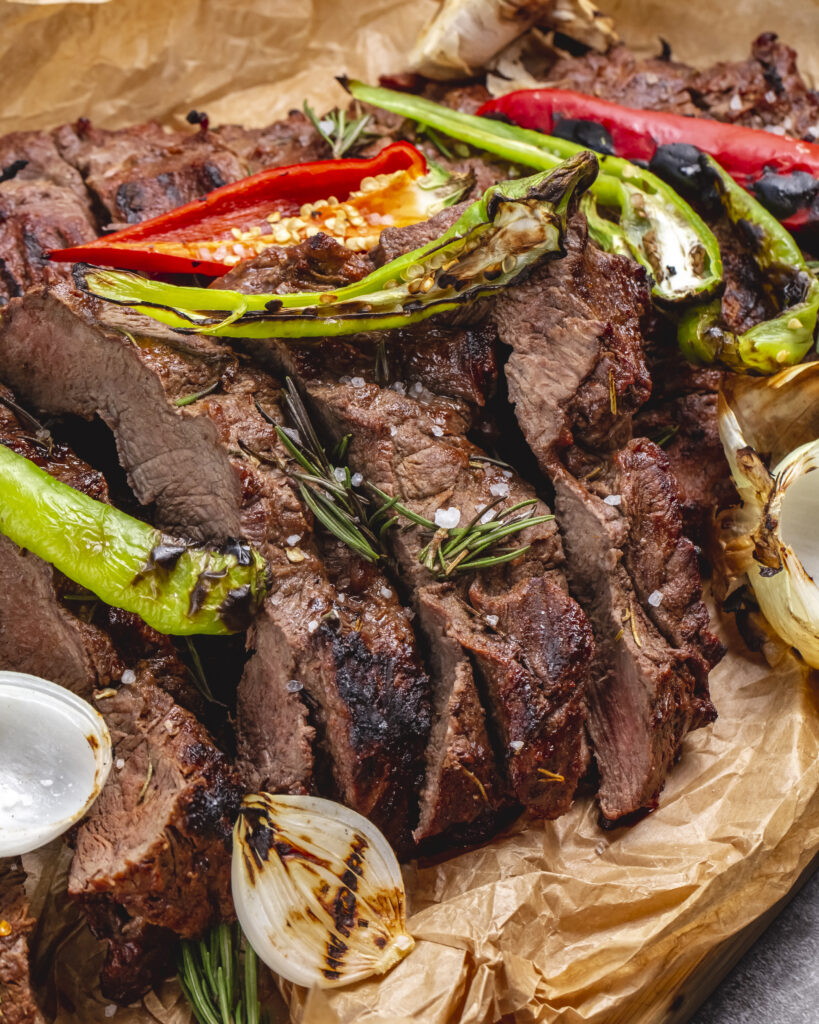
The reverse sear method has revolutionized how I cook tri tip steak. Start low and slow in a 225°F oven or the cool side of your grill until the internal temperature hits 115°F for medium-rare. Then blast it with high heat—either on a screaming hot grill or cast-iron skillet—to develop that mahogany crust.
Why does this work so well? The initial low temperature cooking allows the meat to cook evenly from edge to edge, eliminating that gray band of overcooked meat you see with traditional searing methods. The collagen begins breaking down gently, and the muscle fibers relax without seizing up.
For the purists who insist on grilling the entire time, here’s my setup: Bank your coals to one side or turn off half your gas burners. Start the tri-tip on the cool side, fat-side up, and let it slowly come to temperature. Once it hits 115°F internally, move it directly over the flames for a quick sear on all sides.
What Temperature Do You Cook Tri-Tip At?
Temperature control separates good tri-tip from great tri-tip. Here’s what twenty years behind the grill has taught me about the numbers that What temperature do you cook tri-tip at? This question separates the amateurs from the professionals. After ruining countless tri-tips in my early years, I’ve learned the precise science.

For grilling:
- Direct heat zone: 450-500°F
- Indirect heat zone: 325-350°F
- Internal target: 130-135°F for medium-rare
For oven roasting:
- Initial sear: Cast iron skillet, smoking hot
- Oven temperature: 425°F for the first 15 minutes, then 350°F
- Use a probe thermometer—guessing is gambling
The biggest mistake I see? People cooking tri-tip like a brisket, low and slow for hours. This cut demands higher heat and shorter cooking times. The muscle structure can’t handle prolonged cooking without drying out.
I once watched a renowned Texas pitmaster try to smoke a tri-tip at 225°F for four hours. The result? Expensive jerky. The California boys knew what they were doing with their hot-and-fast approach.
What Can I Use Instead of Tri-Tip?
Sometimes you can’t find tri-tip, or you’re cooking for a crowd and need more than the two pieces available per cow. Here are substitutes I’ve used successfully, each with its own adjustments.
Sirloin tip roast offers the closest texture and flavor profile. It’s leaner than tri-tip, so consider adding a bacon wrap or basting with butter during cooking. The grain structure is more uniform, making it easier to slice but slightly less interesting texturally.
Is Tri-Tip a Good Cut of Steak?
Let me reframe this question: Is tri-tip good? Absolutely. Is it a steak? That’s where things get interesting.
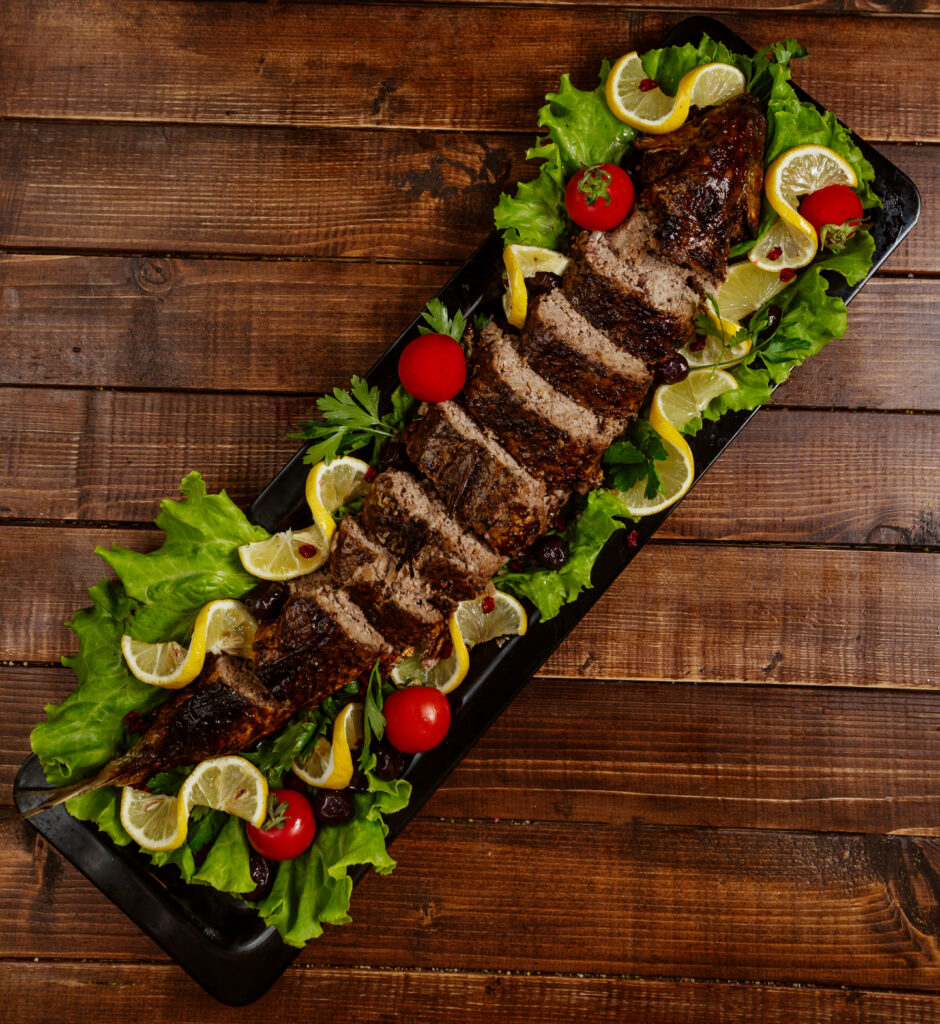
Tri-tip occupies a unique position in the beef hierarchy. It offers more flavor than tenderloin, more tenderness than chuck, and more versatility than ribeye. The moderate marbling means it won’t overwhelm with richness but has enough fat to stay juicy when cooked properly.
From a butcher’s perspective, tri-tip represents excellent value. You’re getting a cut that eats like a premium steak at a fraction of the price. The flavor profile—beefy, slightly mineral, with a pleasant chew—stands up to bold seasonings while shining with simple salt and pepper.
Why Is Tri-Tip Steak So Expensive?
The price paradox of tri-tip fascinates me. Fifteen years ago, I sold it for $3.99 per pound. Today, it often rivals ribeye prices. What happened?
Scarcity drives the primary price pressure. Two tri-tips per animal means roughly 30-40 pounds per cow, compared to 60+ pounds of ribeye. As word spread beyond California about this “secret” cut, demand skyrocketed while supply remained fixed.
The Future of Tri-Tip
As I write this, tri-tip continues its march from regional specialty to nationwide favorite. Butcher shops that once ground it for hamburger now feature it prominently. Barbecue competitions have dedicated tri-tip categories. Even fast-casual chains are adding tri tip steak recipes to their menus.
This popularity brings challenges. Prices will likely continue rising as demand outpaces the fixed supply. We might see more “tri-tip style” cuts from other parts of the animal marketed to fill the gap.