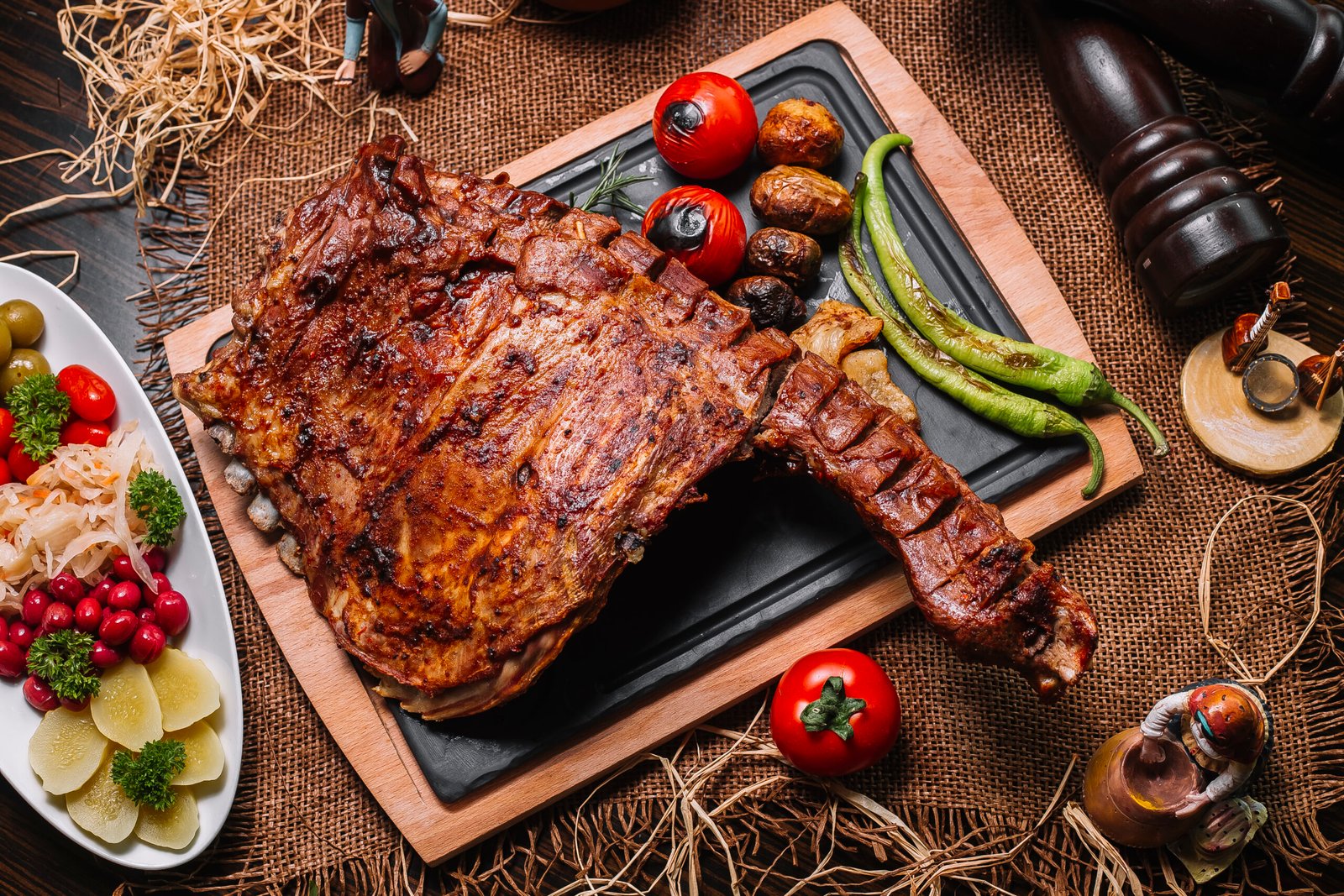
Standing in my family’s butcher shop at 5 AM, coffee in hand, I watch the delivery truck pull up with this week’s beef. After 28 years in this business, I can tell you that choosing the right cut for roasting isn’t just about following a recipe—it’s about understanding the animal, the aging process, and most importantly, what happens when heat meets meat.
Last Sunday, my neighbor knocked on my door, frustrated. She’d spent $80 on a beautiful-looking roast that turned out tougher than shoe leather. “But it looked so good in the case,” she said. That’s when I realized how much insider knowledge we take for granted in this industry. Today, I’m pulling back the curtain on everything I’ve learned about selecting beef for roasting.
Best Beef for Roasting in Oven: Temperature Guidelines
The best beef for oven roasting depends entirely on your cooking method. Planning a low-and-slow Sunday roast? Chuck eye delivers spectacular results at 275°F. Need something elegant for tonight’s dinner party? Tri-tip offers restaurant-quality results in under an hour at 425°F. Watching your saturated fat intake? Eye of round becomes deli-tender when roasted to precisely 125°F and sliced paper-thin.
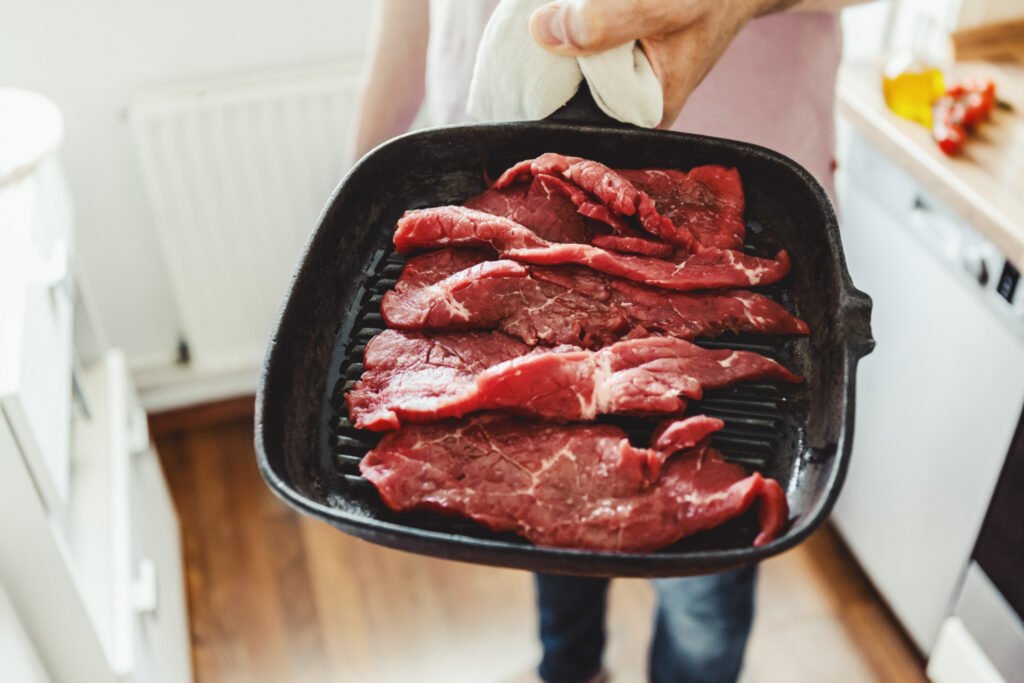
I’ve spent decades perfecting oven-roasting techniques, learning from spectacular failures and unexpected triumphs. Today, I’m sharing the hard-won secrets that transform ordinary beef into extraordinary meals. Whether you’re feeding a family on a budget or impressing important guests, understanding these principles will revolutionize your roasting game. Let’s start with the single most important factor: matching your cut to your cooking temperature.
What Is the Best Cut of Beef for a Roast?
Choosing the best cut of beef for a roast depends on your goals—flavor, tenderness, or leanness. For a perfect balance of all three, ribeye roast is often considered the gold standard. Cut from the rib section, it’s marbled with fat, making it incredibly juicy and flavorful. It’s ideal for special occasions or holiday meals.
If you’re looking for something leaner yet still tender, the top sirloin roast is a fantastic option. It’s more affordable than ribeye but still delivers great taste and texture when cooked properly. For slow cooking or pot roasts, the chuck roast shines. Though tougher, it becomes melt-in-your-mouth tender when braised or cooked low and slow.
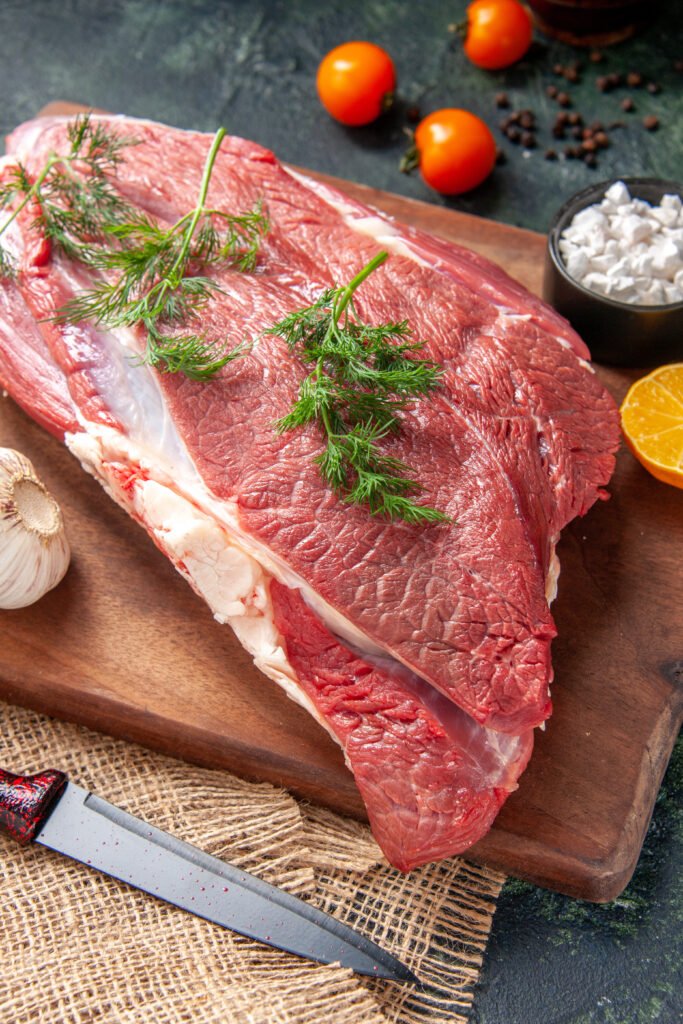
Another great choice is the tenderloin roast, known for its buttery tenderness, though it’s one of the most expensive cuts. For those watching fat intake, the eye of round roast is very lean and works well with slow roasting or sous-vide.
Ultimately, the best cut depends on your cooking method and taste preference.
Roast Beef Cooking Tips
Cooking the perfect roast beef starts with choosing the right cut. Popular choices include ribeye, sirloin, and top rump. Look for marbling—those thin streaks of fat—as they add flavor and tenderness during roasting.
Before cooking, bring the beef to room temperature to ensure even cooking. Preheat your oven to a high temperature (around 425°F/220°C) and sear the beef for 15–20 minutes to develop a flavorful crust. Then lower the heat (around 350°F/175°C) to finish roasting. Use a meat thermometer for accuracy: 125°F (52°C) for rare, 135°F (57°C) for medium-rare, 145°F (63°C) for medium.
Season generously with salt, pepper, garlic, and herbs like rosemary or thyme. A mustard rub or olive oil-based marinade can enhance flavor and create a beautiful crust.
Let the roast rest for at least 15–20 minutes after cooking. This allows juices to redistribute, making the meat juicier and easier to carve.
Slice against the grain to ensure tenderness, and always use a sharp carving knife. Serve with pan juices, horseradish, or a red wine reduction for added depth.
Finally, save leftovers—they make excellent sandwiches or can be repurposed into stir-fries, stews, or salads the next day.
What’s the Healthiest Beef Roast?
When it comes to choosing the healthiest beef roast, not all cuts are created equal. For health-conscious individuals, eye of round roast often stands out as the top choice. This lean cut comes from the rear leg of the cow and is naturally low in fat and calories while still delivering a rich, beefy flavor. With minimal marbling, the eye of round roast contains less saturated fat compared to fattier cuts like chuck or ribeye, making it a heart-smart option.
Another excellent choice is top sirloin roast, which balances leanness and tenderness. It offers good protein content and important nutrients like iron, zinc, and B vitamins—essential for energy, immune support, and red blood cell production.
To keep your beef roast healthy, opt for roasting, baking, or slow cooking without heavy sauces or added fats. Trim any visible fat before cooking and avoid processed marinades high in sodium. With the right cut and preparation, beef roast can be a nutritious part of a balanced diet that supports muscle strength, metabolism, and overall well-being.