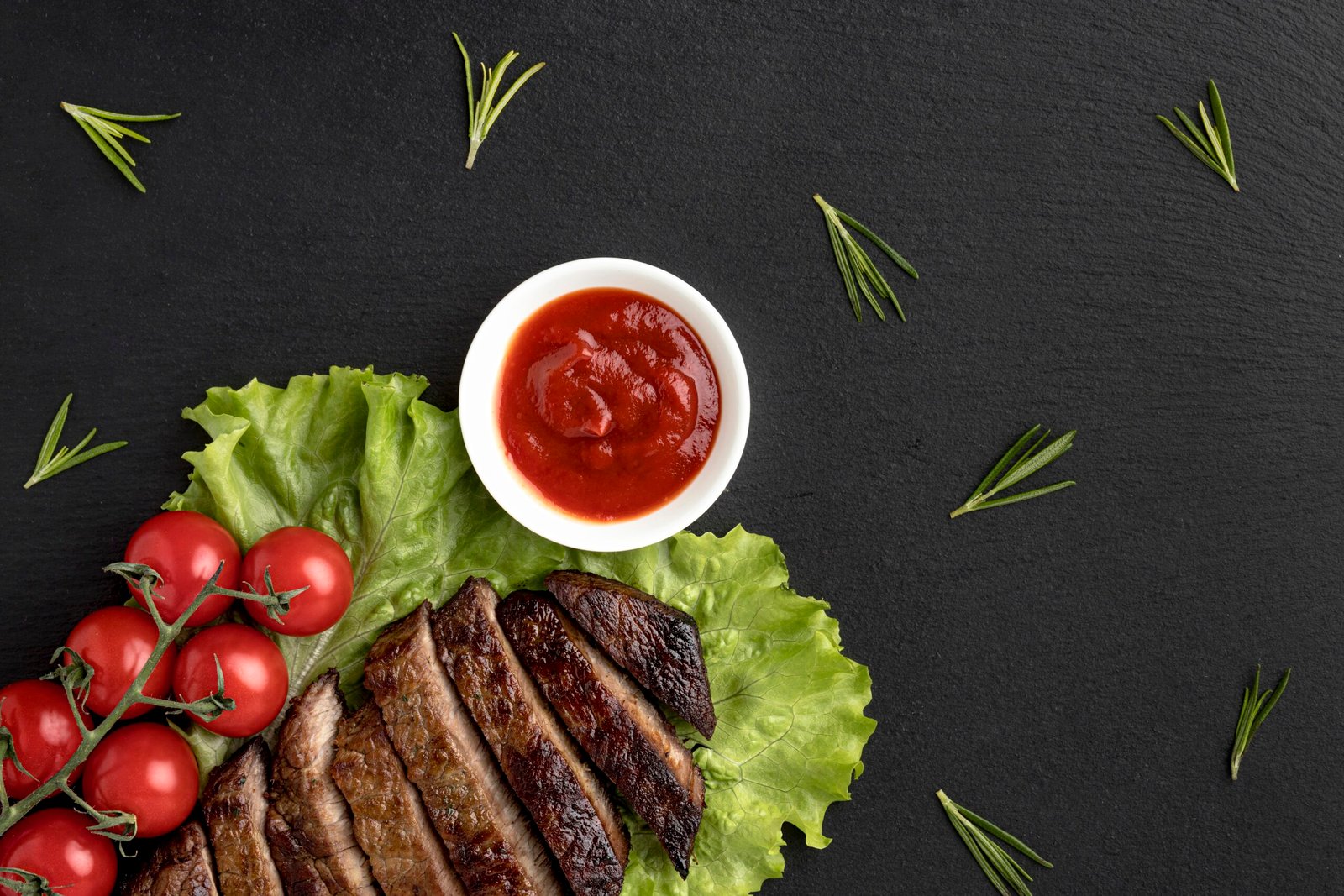
Last week, I watched a customer at a high-end steakhouse send back a $120 dry-aged ribeye because it was “bleeding all over the plate.” The chef, a friend of mine with three Michelin stars, just shook his head and muttered something unprintable. After eight years working in meat science labs, consulting for steakhouses, and training chefs, I’ve heard every myth about that mysterious red liquid. Today, I’m setting the record straight.
What is Red Juice in Steak? The Complete Truth
Let’s start with the basics before we dive into the fascinating complexities. What is the red juice in steak? It’s not blood – that’s the first myth we need to bust. The blood was drained from the animal during processing, long before that cut ever reached your butcher’s case. What you’re seeing is a complex cocktail of water (about 75%), proteins (primarily myoglobin), and various dissolved minerals and nutrients that have been transformed by the cooking process.
I remember the first time I watched a USDA inspector explain this to a group of culinary students. He brought out two vials – one with actual blood, one with the juice from a rare steak. The blood coagulated within minutes at room temperature. The steak juice? It stayed liquid for hours. Different proteins, different properties, completely different substances.
What Really Creates That Red Liquid
When I started consulting for a molecular gastronomy restaurant in Chicago, the head chef showed me something that changed my entire understanding of meat cookery. Using a specialized microscope camera, we watched in real-time as heat transformed the muscle fibers of a steak. What I saw was nothing short of revolutionary.
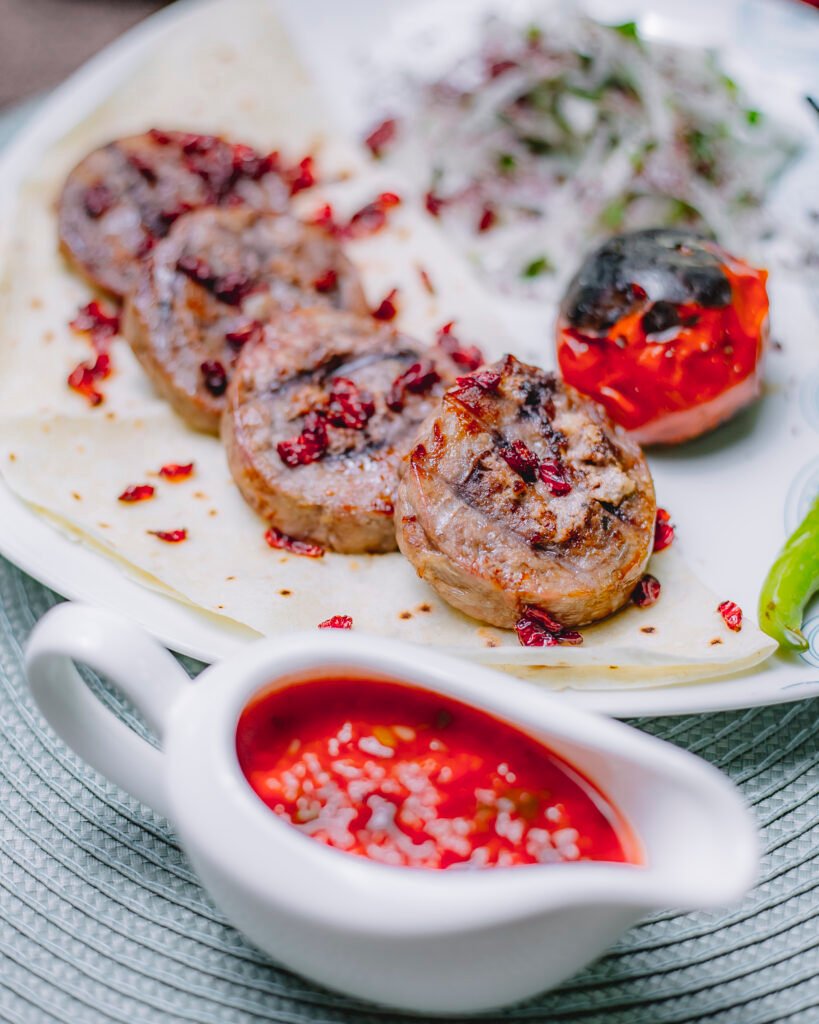
How Do You Keep a Steak Juicy? Professional Secrets Revealed
After cooking thousands of steaks, I’ve identified the key factors that separate dry disappointments from juicy masterpieces. How do you keep a steak juicy starts before you even light the grill.
Selection Matters: Choose steaks at least 1.25 inches thick with good marbling. Thin steaks cook too fast for proper moisture management. Marbling provides insurance – as fat melts, it bastes the meat from within.
Temperature Control: Start with room-temperature meat. Cold steaks contract violently when they hit heat, squeezing out moisture like a stress ball. I pull steaks from the fridge 45 minutes before cooking.
Salt Timing: Either salt 45+ minutes ahead (allowing time for moisture reabsorption) or immediately before cooking. The 10-30 minute window is death valley – long enough to draw out moisture, not long enough for reabsorption.
Heat Management: Use two-zone cooking. Sear over high heat (500°F+) for crust development, then move to medium heat (350°F) to finish. This prevents the violent moisture expulsion that comes from sustained high heat.
The Rest is Crucial: This is where amateurs fail. During cooking, heat drives moisture toward the center. Cut immediately, and it rushes out like a broken dam. Rest 5-10 minutes (depending on thickness), and moisture redistributes evenly. I rest steaks on a warm plate loosely tented with foil – tight wrapping steams the crust you worked hard to create.
Advanced Techniques from the Pro Kitchen
Want to level up? Here are techniques I use in professional settings:
Reverse Searing: Start in a 250°F oven until 10°F below target temperature, then sear in screaming hot cast iron. This gentle initial cooking minimizes moisture loss while ensuring edge-to-edge perfection.
Butter Basting: In the final minutes, tilt the pan and baste with butter, garlic, and thyme. This adds flavor while moderating surface temperature to prevent overcooking.
Compound Butter Finish: Top resting steaks with flavored butter. As it melts, it mingles with the red juices in steak, creating an instant pan sauce.
Is Eating Rare Meat Eating Blood? Debunking the Biggest Myth
This question comes up at nearly every dinner party where I’ve served rare steak. Is eating rare meat eating blood? Absolutely not, and I can prove it with simple kitchen science.
Blood contains hemoglobin, which behaves completely differently from myoglobin. When I worked with a hematologist on a food science project, she demonstrated this beautifully. We heated blood to various temperatures – it coagulated and turned dark brown almost immediately. The proteins in blood are designed to clot when exposed to air or heat. It’s a survival mechanism.
The Nutritional Goldmine Everyone Ignores
Is the blood in steak good for you? Well, since we’ve established it’s not blood, let me rephrase: Is that red juice nutritionally valuable? Absolutely, and perhaps more than the meat itself in some ways.
During my time working with sports nutritionists, I learned that the red juice in steaks contains a concentrated dose of:
- Creatine: The same compound athletes pay premium prices for in supplement form
- B-vitamins: Particularly B12, in a highly bioavailable form
- Iron: Heme iron, which your body absorbs far more efficiently than plant-based iron
- Zinc: Essential for immune function and protein synthesis
- Carnosine: An antioxidant that’s been linked to improved athletic performance
Why Is Red Meat OK to Eat Rare?
Why is red meat ok to eat rare while chicken isn’t? It comes down to muscle density and bacterial penetration. Beef muscle is incredibly dense – bacteria can’t penetrate beyond the surface. A quick sear at 145°F+ kills surface bacteria while leaving the sterile interior untouched.
I learned this viscerally during HACCP (Hazard Analysis Critical Control Points) training. We swabbed the interior of fresh steaks and cultured them. Result? Nothing grew. The inside of intact muscle is essentially sterile. Compare that to ground beef, where surface bacteria gets mixed throughout – that’s why burgers need thorough cooking.